

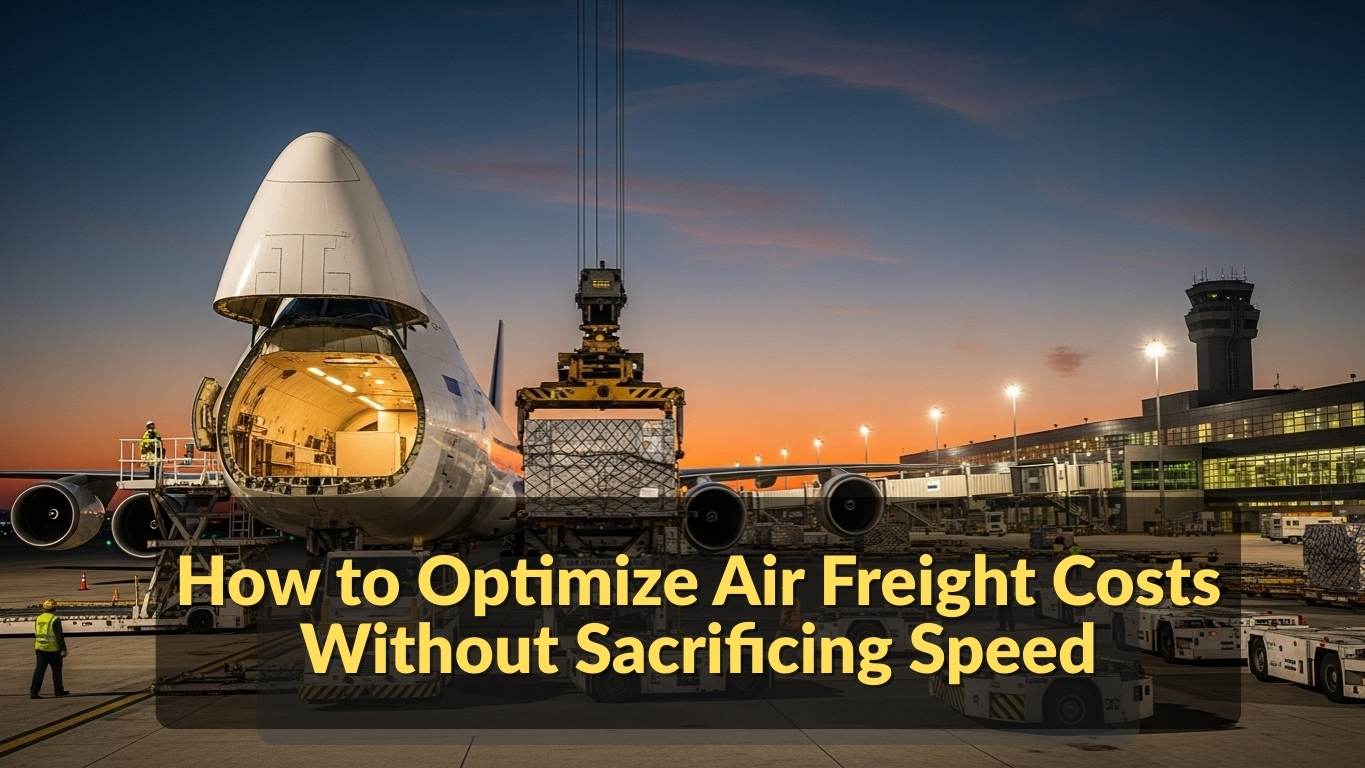
Air Freight in 2026: The Strategic Guide to Speed and Global Connectivity
In the fast-paced world of global trade, Air Freight remains the undisputed champion of speed and reliability. As we move through 2026, the logistics landscape is shifting. With ocean supply chains facing intermittent disruptions and the “just-in-time” manufacturing model evolving, air cargo has become more than just a luxury it is a strategic necessity for businesses competing in the high-stakes global market.
According to the International Air Transport Association (IATA), global air cargo demand is projected to grow by approximately 2.6% in 2026, reaching a volume of 71.6 million tonnes. For businesses, this stability signals a perfect time to optimize supply chains. Whether you are shipping high-value electronics, perishable pharmaceuticals, or urgent automotive parts, understanding the nuances of air freight is critical.
The State of Air Cargo: 2026 Market Trends
The “post-pandemic” volatility has settled into a new normal. While capacity has returned to the market (largely due to the resurgence of passenger travel and “belly cargo” space), rates remain roughly 30% above 2019 levels. This reflects a premium on reliability.
Key Drivers of Growth
- E-Commerce & AI Hardware: Despite a slight cooling in general retail, the boom in AI infrastructure has spiked demand for shipping semiconductors and high-tech hardware, which are too valuable and time-sensitive for sea transit.
- Modal Shift: Continued instability in Red Sea shipping lanes has forced many businesses to shift from sea to air to avoid 2-week delays.
- Regional Hotspots: The Asia-Pacific region is leading the charge with a projected 6% growth in 2026, driven by manufacturing exports to Europe and North America (Source: IATA, 2026).

Air Freight vs. Sea Freight: Making the Right Choice
The most common dilemma logistics managers face is the “Cost vs. Speed” trade-off. While Sea Freight is the cost-effective king for bulk, Air Freight is the solution for agility.
Comparison: Air vs. Sea Logistics (2026 Benchmarks)
| Factor | Air Freight | Sea Freight |
|---|---|---|
| Transit Time (China to UAE) | 3 – 5 Days | 20 – 30 Days |
| Cost Premium | High (approx. 5-8x sea rates) | Low |
| Reliability | Very High (Exact flight schedules) | Moderate (Subject to port congestion) |
| Ideal Cargo | Electronics, Fashion, Pharma, Documents | Furniture, Raw Materials, Vehicles |
(Data Insights: Xeneta & World Bank Logistics Performance Index 2025)
When to Use Air Freight Services?
At U.N. Cargo & Logistics, we advise clients to utilize air services in specific high-stakes scenarios.
1. High-Value, Low-Volume Goods
Security is paramount for luxury goods and electronics. Air cargo offers reduced handling points compared to ocean freight, significantly lowering the risk of theft or damage. Our specialized Packaging Services ensure that even the most fragile items withstand the flight.
2. Urgent Project Deadlines
In industries like oil & gas or construction, a missing part can cost thousands of dollars per hour in downtime. We often coordinate Large Project Shipping where critical components are flown in to keep the project on schedule, while the bulk arrives later by sea.
3. Perishable Supply Chains
From fresh flowers to pharmaceuticals, shelf life is the enemy. Modern air freight utilizes “Cool Chain” technology to maintain precise temperature controls from the warehouse to the tarmac.

The U.N. Cargo & Logistics Advantage
Booking air freight is not just about buying space on a plane; it’s about managing the entire door-to-door process. This is where many businesses face bottlenecks.
We integrate our air services with robust Customs Clearance solutions. The 2026 regulatory environment involves stricter digital compliance (ICS2 regulations), and having an in-house team to handle documentation means your cargo doesn’t sit in a bond warehouse incurring storage fees.
Furthermore, once your cargo touches down, our fleet handles the final mile. Whether it’s moving goods to a retail outlet via Land Freight or holding inventory in our secure Storage in Dubai, we provide a seamless chain of custody.
Conclusion: Speed as a Competitive Edge
In 2026, the ability to move goods quickly is a competitive differentiator. While air freight requires a higher investment, the return on investment comes in the form of satisfied customers, faster inventory turnover, and market agility.
Don’t let logistics slow you down. Contact U.N. Cargo & Logistics today for a competitive air freight quote and keep your business flying high.
Secondary Keywords:
Air cargo rates 2026, international air transport, fast shipping Dubai, freight forwarding services, logistics supply chain management.